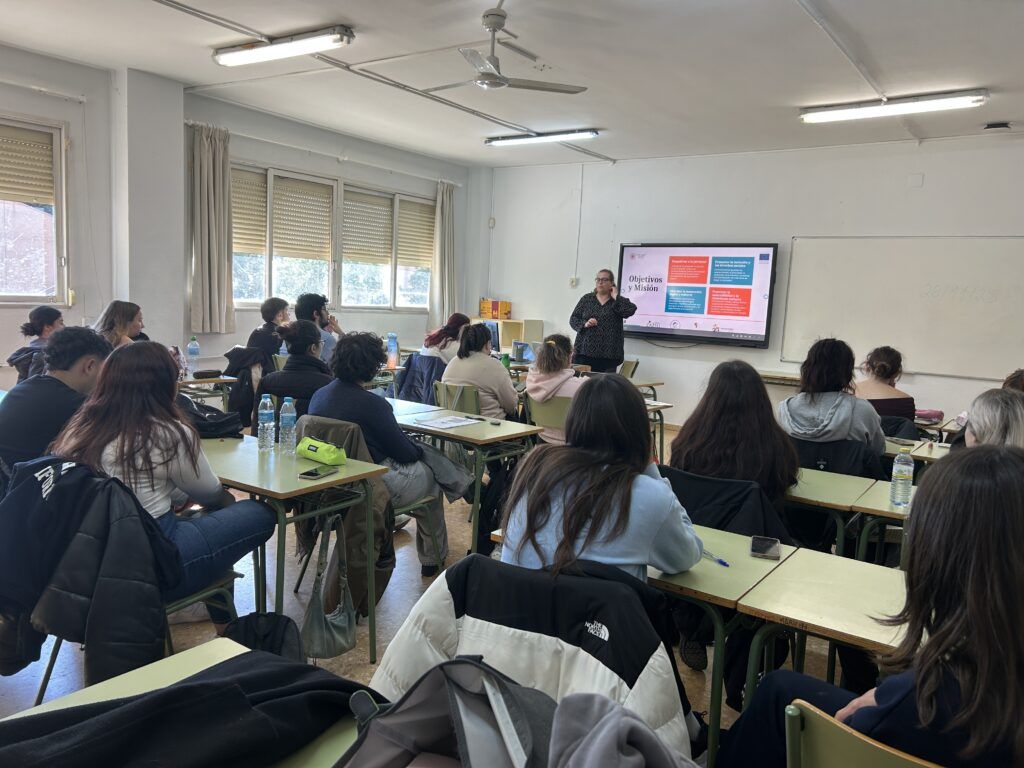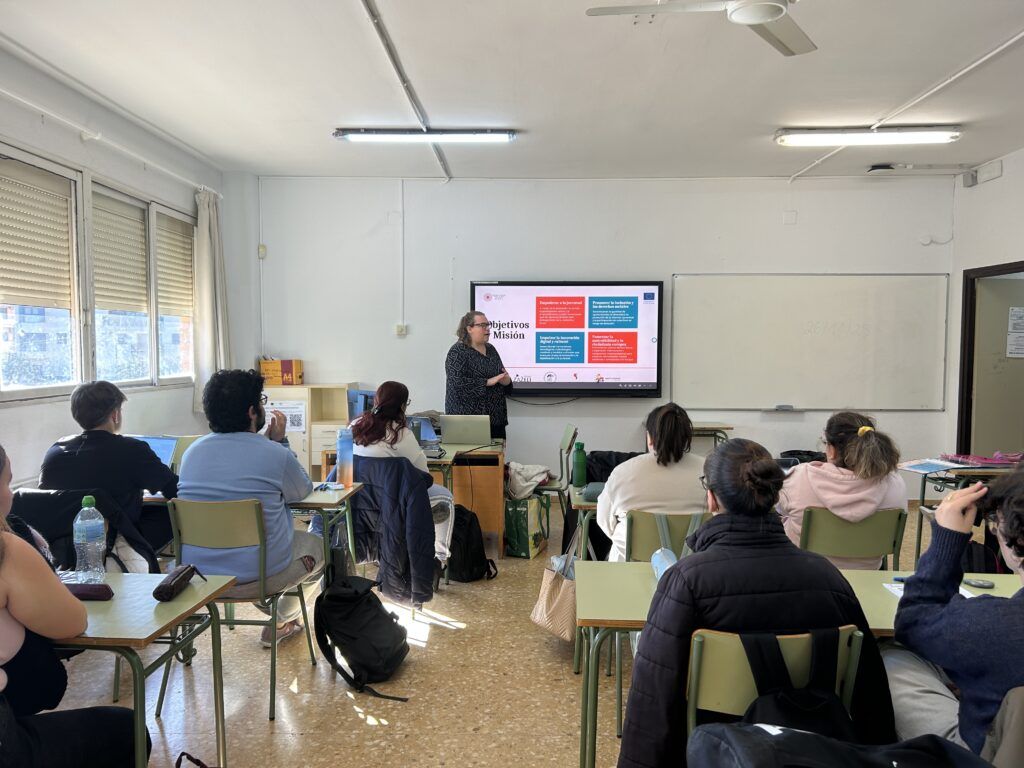

The workshop was designed as a testing space for selected components of the BETYLI training toolkit. Rather than delivering finished answers, it invited participants into a reflective process in which they examined their own assumptions about participation, power, and inclusion and how these concepts translate into everyday professional practice.
From the outset, participants were made aware that they were not being assessed, but were contributing to the refinement of a European educational resource. This framing immediately reduced performance pressure and encouraged honesty, curiosity, and critical thinking.
The session began with a collective exploration of what participation means. Through a simple name-round exercise, participants shared words they associated with youth participation: voice, creativity, community, agency, and future. These associations revealed strong positive values, but also opened space for the central tension of the day the difference between having a voice and having influence.
This distinction became the backbone of the session. When participants were asked what tokenism meant to them, responses such as “being invited only for photos,” “being present but not deciding anything,” and “consultation without listening” quickly emerged. These reflections aligned closely with the toolkit’s definition of tokenism as a form of superficial inclusion that preserves existing power structures while offering no real influence to those being “included.”
Participants then tested these ideas through the “True or False?” activity, physically positioning themselves in the room in response to statements about participation and power. The movement-based format created a lively, embodied debate, allowing participants to articulate their intuitions, challenge each other’s assumptions, and collectively refine their understanding of what meaningful participation actually requires.
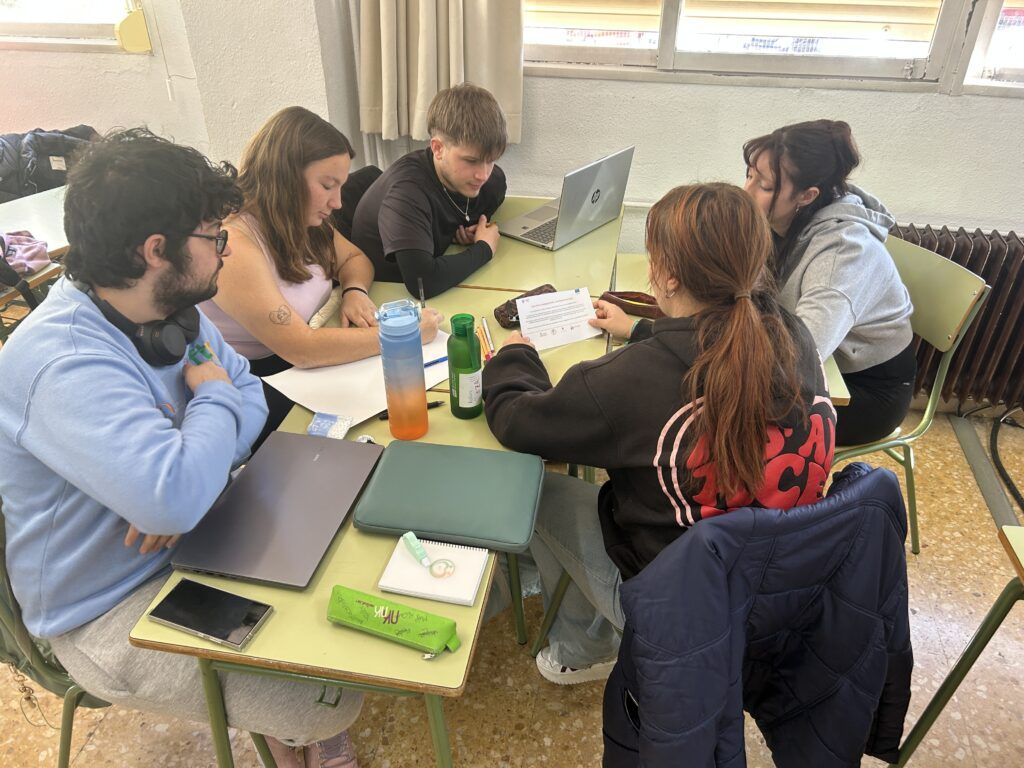
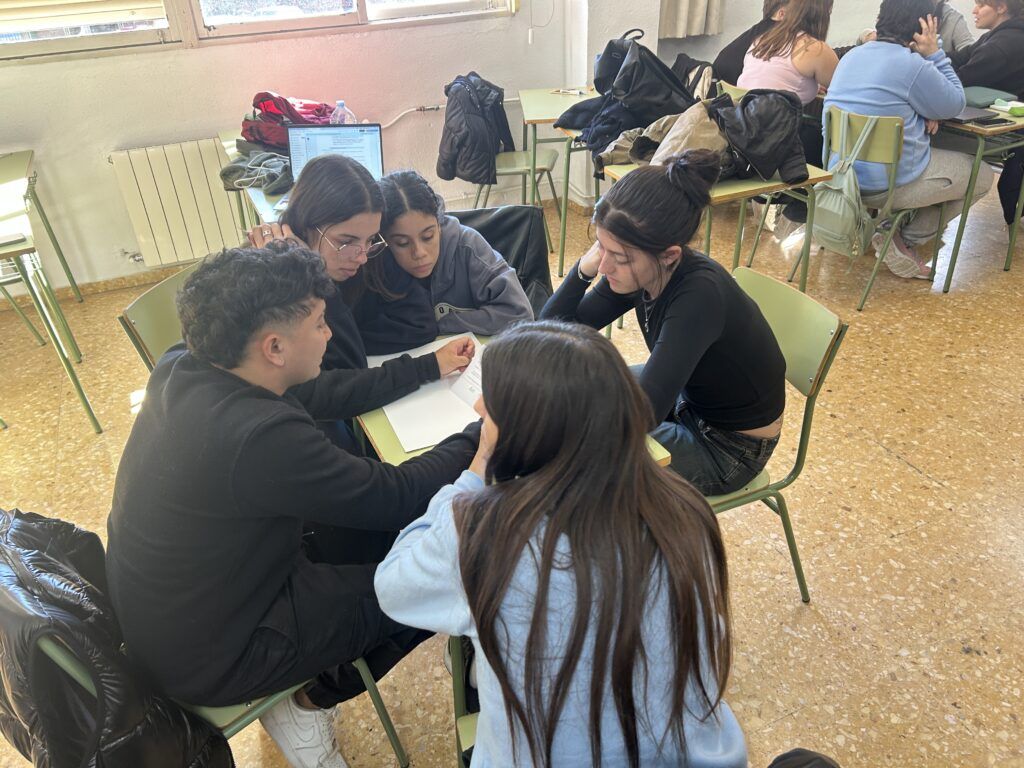
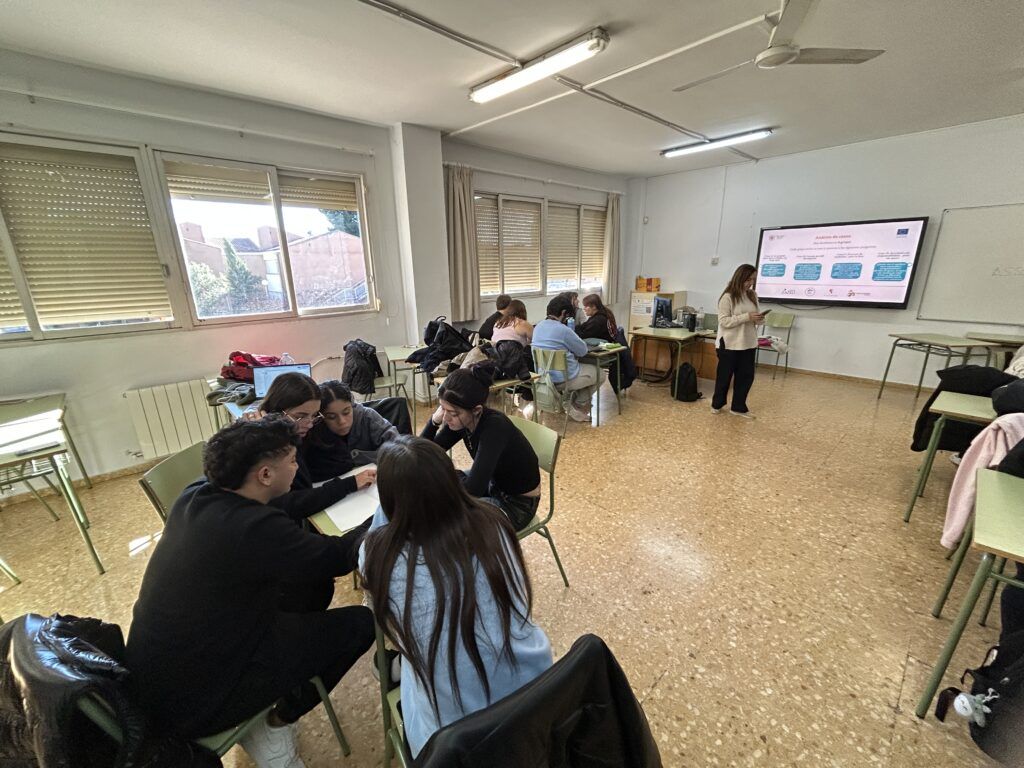
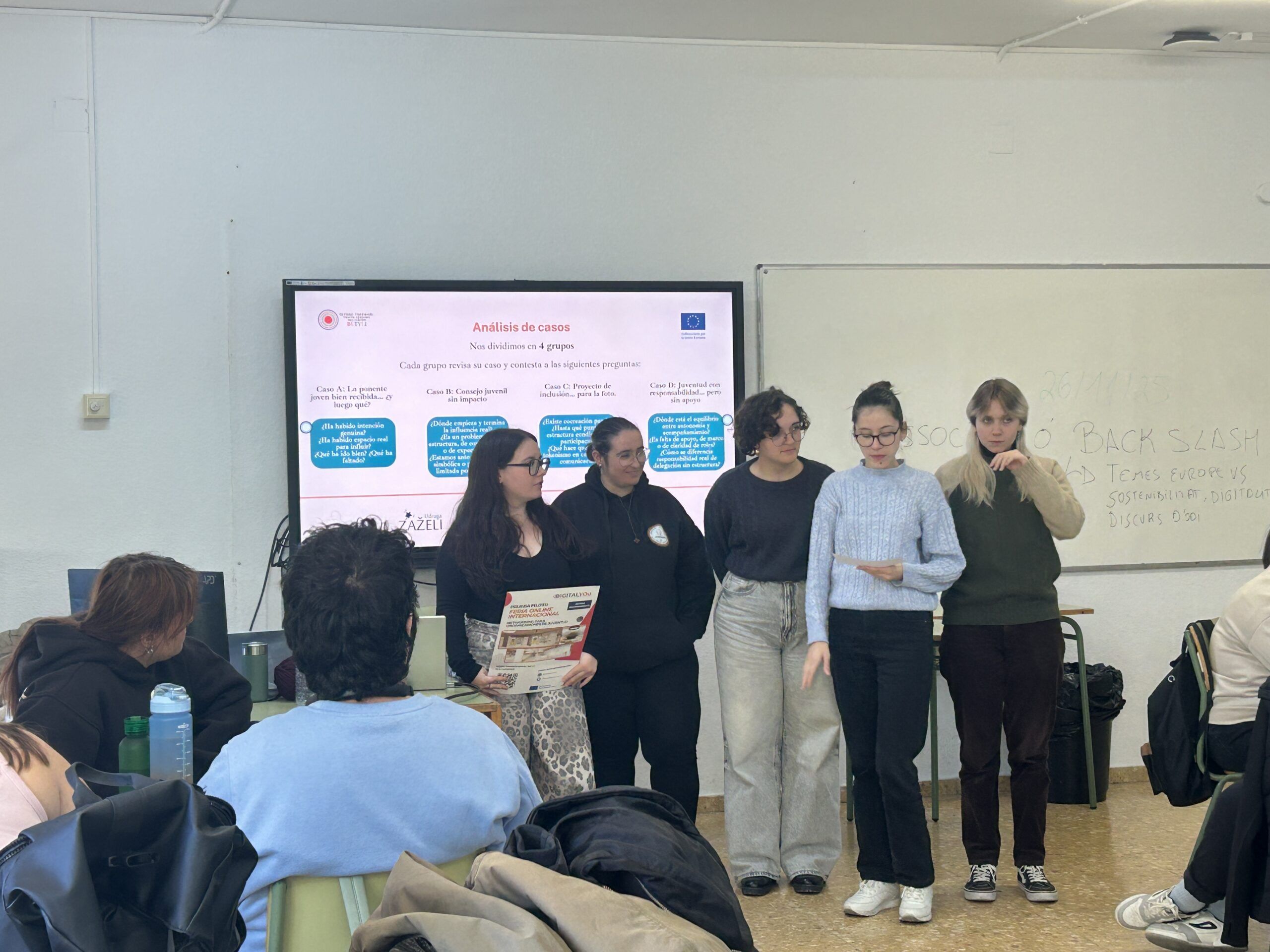
The session deepened through small-group case study analysis. Participants examined realistic scenarios drawn from youth work practice: young people invited to speak but given no time or structure to influence outcomes; youth councils whose proposals never reach decision-makers; inclusion campaigns that use young people’s faces without sharing authorship; and youth-led initiatives that offer responsibility without adequate support.
Across all cases, participants demonstrated a strong capacity to identify structural barriers, symbolic practices, and hidden power dynamics. They also articulated the emotional consequences of tokenism – frustration, demotivation, loss of trust, and disengagement – showing that they understood tokenism not only as a technical issue, but as a relational and ethical one.
The “Power and Influence Mapping” activity made these dynamics visible. By placing different roles within concentric circles of influence, participants recognised how young people are often positioned at the margins of decision-making, even in youth-centred projects. This visual exercise prompted reflection on how authority, access to information, and organisational structures shape who can actually shape outcomes.
The shift from analysis to action came through the Solution Lab. Here, participants redesigned the earlier cases using co-creation principles, proposing concrete changes such as joint planning committees, mentoring systems, transparent feedback loops, early-stage involvement of young people, and shared responsibility models. This exercise confirmed that participants were not only capable of recognising tokenism, but also of designing viable alternatives.
The workshop concluded with a personal commitment exercise in which each participant wrote one concrete action they would take in their future practice to avoid tokenism. These commitments – involving young people earlier, clarifying decision boundaries, providing support before responsibility, and avoiding performative inclusion – reflected a deep internalisation of the workshop’s key messages.
Feedback from participants confirmed that the workshop was engaging, relevant, and immediately applicable to their training and future work. The balance between theory and practice, the interactive methodologies, and the use of realistic examples were especially appreciated. Participants also suggested improvements, such as more digital-related examples, context-specific cases, and short conceptual handouts.
From the facilitator’s perspective, the group demonstrated a high level of reflection, openness, and critical awareness. The pilot confirmed that the toolkit’s language and activities are accessible, adaptable, and pedagogically strong – even for learners encountering these concepts for the first time.
The Spanish pilot showed that future youth workers are not only receptive to critical conversations about power and inclusion, but are eager for them. The workshop did not simply teach participants about tokenism; it equipped them with a lens through which to view their future profession more ethically, more consciously, and more responsibly.
In doing so, it contributed not only to the refinement of the BETYLI toolkit, but to the formation of a generation of practitioners better prepared to create spaces where young people do not merely appear – but genuinely belong, influence, and lead.